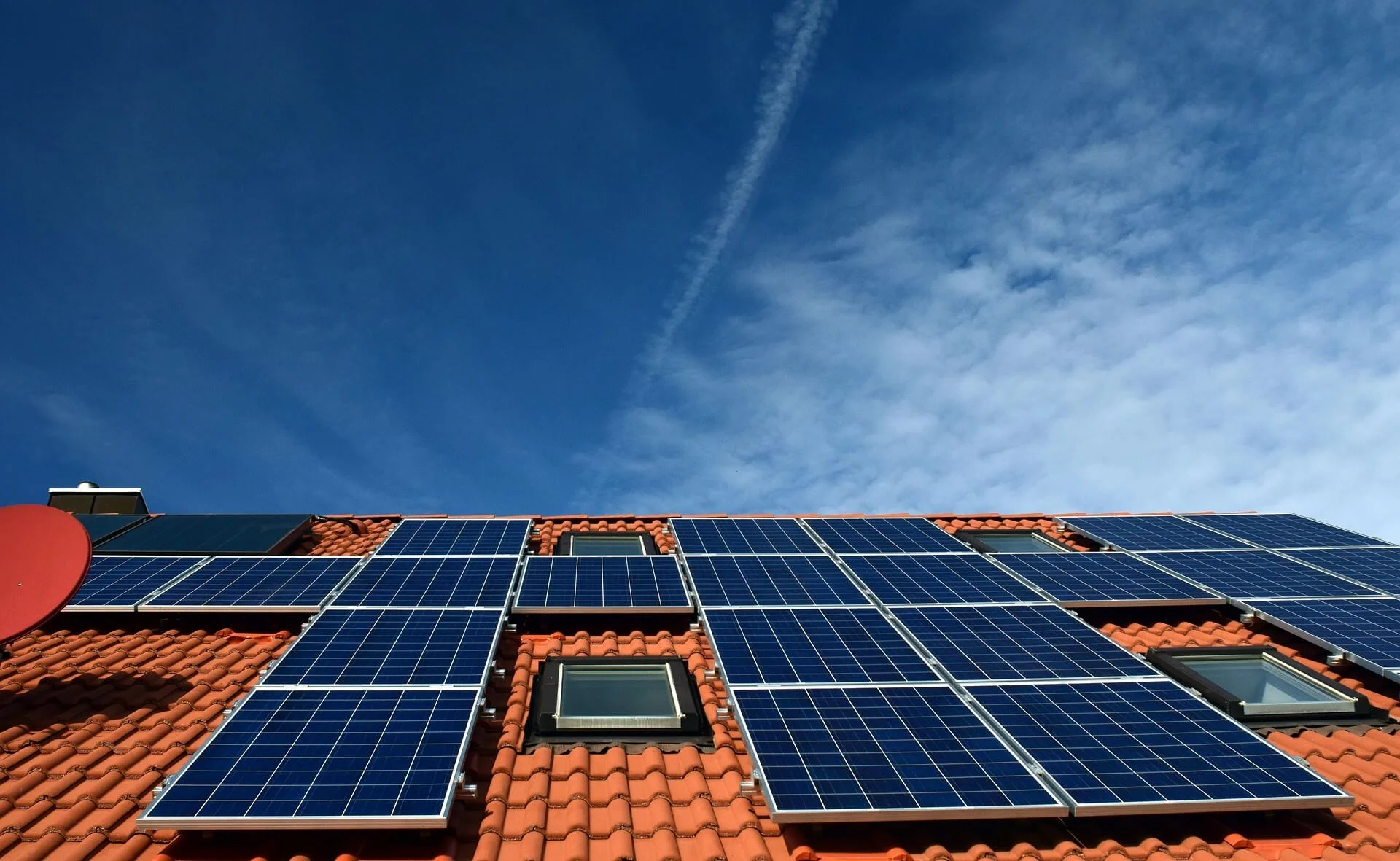
Have you ever checked your solar app on a bright afternoon and noticed your solar panels producing plenty of electricity, only to wonder where all that unused power goes? If so, you’re not alone. Many Australian homeowners invest in solar panels to reduce their electricity bills, but quickly discover that much of their excess solar energy is exported back to the grid for only a small return. That often leads to another question: would a home battery help you keep more of the energy you’re generating?
At Australian Solar & Roofing, we know homeowners just want greater control over their energy usage. Rising electricity prices, lower feed-in tariffs, and increasing concerns about energy reliability across all areas of Australia have encouraged many households to explore battery technology. For some, it’s about reducing power bills. For others, it is about having backup power during outages or moving closer to energy independence. For most, they want $0 bills. Go figure, right? Why not! As modern energy systems evolve, many homeowners are also integrating batteries into a broader “Whole Home Energy Solution” that combines solar panels, energy monitoring, EV charging, and smart home technology.
Is Home Battery Storage Worth the Investment?
For many Australian households, Home Battery Storage can be a worthwhile investment, but the answer depends on how and when you use your power. A battery stores excess solar energy generated during the day so it can be used later, often during the evening when household electricity demand is highest. This allows homeowners to reduce their reliance on grid electricity and increase the amount of solar energy they consume themselves. The financial value of a battery depends on factors such as electricity prices, feed-in tariffs, solar system size, battery cost, and household energy usage patterns. Homes with high evening electricity consumption often see the greatest benefit because they can use stored solar energy instead of purchasing electricity from the grid. Batteries can also provide backup power during outages and contribute to greater energy independence. While the upfront investment can be significant, many homeowners view battery storage as part of a long-term energy strategy. Increasingly, systems such as Whole Home Energy Solutions are helping households integrate batteries alongside solar panels, EV chargers, and smart energy management tools to create a more efficient and resilient home energy ecosystem.
What Is Home Battery Storage?
Understanding the Basics
Home Battery Storage refers to a rechargeable battery system installed at a property to store electricity for later use. Most residential batteries are paired with solar systems, allowing homeowners to save excess solar energy instead of exporting it to the grid.
Think of a battery as a personal energy reserve. Rather than sending unused electricity away, you keep it available for when you need it most.
How Home Batteries Work
During the day:
- Solar panels generate power
- Household appliances use available solar power first
- Excess solar energy charges the battery
During the evening:
- The battery discharges stored energy
- The home uses battery power before drawing electricity from the grid
This process helps maximise the value of every kilowatt-hour your solar system generates.
Where Battery Systems Fit Into Modern Homes
Modern battery systems are increasingly becoming part of integrated home energy setups that include:
- Solar panels
- Smart inverters
- Energy monitoring
- EV chargers
- Backup power systems
Why Are More Australians Installing Home Batteries?
Rising Electricity Prices
Electricity costs continue to increase across many parts of Australia. Homeowners are looking for ways to reduce ongoing expenses and gain more control over household energy usage.
Lower Feed-In Tariffs
Years ago, exporting solar energy back to the grid could generate attractive returns. Today, feed-in tariffs are often significantly lower than the cost of purchasing electricity from the grid.
This shift has increased interest in storing solar energy rather than exporting it.
Greater Energy Independence
Many households simply want more control over how they generate and use electricity.
Battery storage helps reduce reliance on energy retailers and fluctuating electricity prices.
Increased Interest in Sustainable Living
Homeowners are becoming more conscious of their environmental impact. Battery storage helps maximise the use of renewable energy produced on-site.
Blackout Protection and Energy Security
In some locations, power outages remain a concern. Certain battery systems can provide backup power capabilities that keep essential appliances operating during outages.
How Home Battery Storage Works With Solar Panels
Daytime Solar Generation
Solar panels typically generate the most electricity during daylight hours, often when many people are at work, and household demand is lower.
Storing Excess Energy
Rather than exporting unused solar energy, batteries store it for future use.
Using Stored Energy After Sunset
When the sun goes down and solar production stops, the battery can continue supplying electricity to the home.
Reducing Grid Dependence
By using stored solar energy during peak demand periods, homeowners can reduce the amount of electricity purchased from the grid.
Example Energy Flow
Solar Panels
↓
Home Appliances
↓
Battery Storage
↓
Evening Household Usage
↓
Grid Power (only when required)
What Are the Benefits of Home Battery Storage?
Lower Electricity Bills
One of the biggest advantages of Home Battery Storage is the ability to reduce grid electricity purchases.
The more solar energy you use yourself, the less electricity you need to buy.
Better Solar Self-Consumption
Without a battery, excess solar energy is often exported.
With a battery, that energy can be used later when household demand increases.
Backup Power During Outages
Many battery systems offer backup functionality for essential appliances and circuits.
Greater Control Over Energy Usage
Homeowners gain more visibility into when and how energy is used throughout the day.
Environmental Benefits
Battery storage supports greater use of renewable energy while reducing dependence on fossil-fuel-generated electricity.
Future-Proofing Your Home
As electricity costs evolve and household energy demands increase, batteries can help prepare homes for future energy needs.
What Does Home Battery Storage Cost in Australia?
Typical Battery Price Ranges
| Battery Size | Typical Installed Cost Range |
| 5kWh | $5,000 – $8,000 |
| 10kWh | $8,000 – $14,000 |
| 13kWh+ | $12,000 – $18,000+ |
Actual costs vary depending on battery brand, installation complexity, inverter requirements, and system design.
Installation Costs
Professional installation is essential for safety, compliance, and performance.
Factors Affecting Pricing
Factors include:
- Battery capacity
- Brand and technology
- Existing solar system compatibility
- Backup power functionality
- Installation complexity
Government Incentives and Rebates
Depending on your location, various state and federal programs may help reduce the cost of battery adoption.
How Long Does It Take for a Battery to Pay for Itself?
Understanding Battery ROI
Battery payback periods vary significantly between households.
The value depends on how effectively the battery reduces electricity purchases.
Electricity Usage Patterns Matter
Households with high evening energy consumption often gain the greatest benefit from battery storage.
Solar System Size Matters
Larger solar systems generally create more excess energy available for storage.
Feed-In Tariff Considerations
Lower feed-in tariffs often improve the financial case for battery storage because self-consumption becomes more valuable.
Realistic Payback Expectations
Many homeowners view batteries as both a financial investment and an energy independence investment.
Is Home Battery Storage Right for Your Household?
Households That Benefit Most
Battery storage may be particularly beneficial if you:
- Use significant electricity in the evening
- Have a large solar system
- Own or plan to own an EV
- Work from home
- Want backup power capabilities
When a Battery May Not Make Sense Yet
A battery may not provide immediate value if:
- Solar generation is limited
- Electricity consumption is very low
- Budget priorities lie elsewhere
A professional assessment can help determine suitability.
Toowoomba Whole Home Energy Solutions: Looking Beyond Just the Battery
Connecting Solar, Batteries, EV Chargers, and Smart Monitoring
The most effective energy systems are no longer built around a single product.
Toowoomba Whole Home Energy Solutions integrates multiple technologies that work together to optimise energy usage.
Creating a Smarter Energy Ecosystem
Rather than treating energy generation, storage, and consumption separately, integrated systems coordinate all components for greater efficiency.
Long-Term Energy Planning
Battery storage often makes the most sense when considered as part of a broader household energy strategy.
Maximising Energy Independence
By combining solar panels, battery storage, smart monitoring, and EV charging, Toowoomba Whole Home Energy Solutions can help homeowners reduce both electricity costs and grid reliance.
Common Myths About Home Battery Storage
“Batteries Only Work During Blackouts”
Many batteries are primarily designed to increase solar self-consumption and reduce energy costs, not just provide backup power.
“Solar Panels Alone Are Enough”
Solar panels are highly effective, but batteries can increase the value of the energy they generate.
“Battery Storage Is Too Expensive”
While upfront costs remain significant, falling battery prices and rising electricity costs continue to improve value for many households.
“Every Household Needs the Largest Battery Available”
The best battery is one that matches your energy usage, not necessarily the largest model available.
Why Choose Australian Solar & Roofing
At Australian Solar & Roofing, we believe every home deserves an energy solution that matches its unique needs. Rather than recommending a one-size-fits-all approach, we take the time to understand how your household uses electricity before suggesting solar, battery, or EV charging solutions.
Our team combines practical experience with high-quality products and professional installation standards. Whether you’re adding a battery to an existing solar system or planning a complete energy upgrade, we focus on delivering solutions that provide long-term value rather than short-term sales.
We also understand the growing importance of integrated energy systems. That’s why we help homeowners explore Toowoomba Whole Home Energy Solutions that combine solar generation, battery storage, EV charging, and energy monitoring into one coordinated strategy designed for future energy independence.
Frequently Asked Questions
What is Home Battery Storage?
Home Battery Storage is a system that stores electricity for later use, often using excess solar energy generated during the day.
How long do home batteries last?
Most modern home batteries are designed to last between 10 and 15 years, depending on usage and manufacturer specifications.
Can a battery power my home during a blackout?
Some battery systems offer backup power capabilities that can keep essential circuits operating during outages.
Do I need solar panels to install a battery?
No, but batteries typically provide the greatest value when paired with solar panels.
Is Home Battery Storage worth it in Australia?
For many households, battery storage can improve solar self-consumption, reduce electricity costs, and increase energy independence.
What size battery do I need?
The ideal battery size depends on your household’s energy usage, solar production, and future energy goals.
Can I add a battery to an existing solar system?
In many cases, yes. A professional assessment can determine compatibility and system requirements.
How much can I save with a home battery?
Savings vary depending on electricity prices, solar generation, and usage patterns, but many households experience meaningful reductions in grid electricity purchases.
Final Thoughts: Battery Storage Is About More Than Saving Money
When people first explore Home Battery Storage, they often focus solely on payback periods and electricity bill savings. While those factors are important, batteries can provide much more than financial returns. They offer greater energy flexibility, increased resilience, and the ability to use more of the renewable energy generated by your own solar system.
As Australian energy systems continue to evolve, batteries are becoming an increasingly important component of modern households. Combined with solar panels, EV charging, and smart monitoring, Toowoomba Whole Home Energy Solutions is helping homeowners take a more proactive approach to energy management while preparing for the future.
Speak With a Local Expert
Thinking about adding battery storage to your home? Whether you’re exploring your first battery, upgrading an existing solar system, or planning a complete energy solution, our team is here to help.
Call our experts today to discover whether Home Battery Storage is the right investment for your household and how an integrated energy strategy can maximise your long-term savings and energy independence.
Follow our social media pages below for more updates:
Find out more articles that can help you with your solar power system needs below: