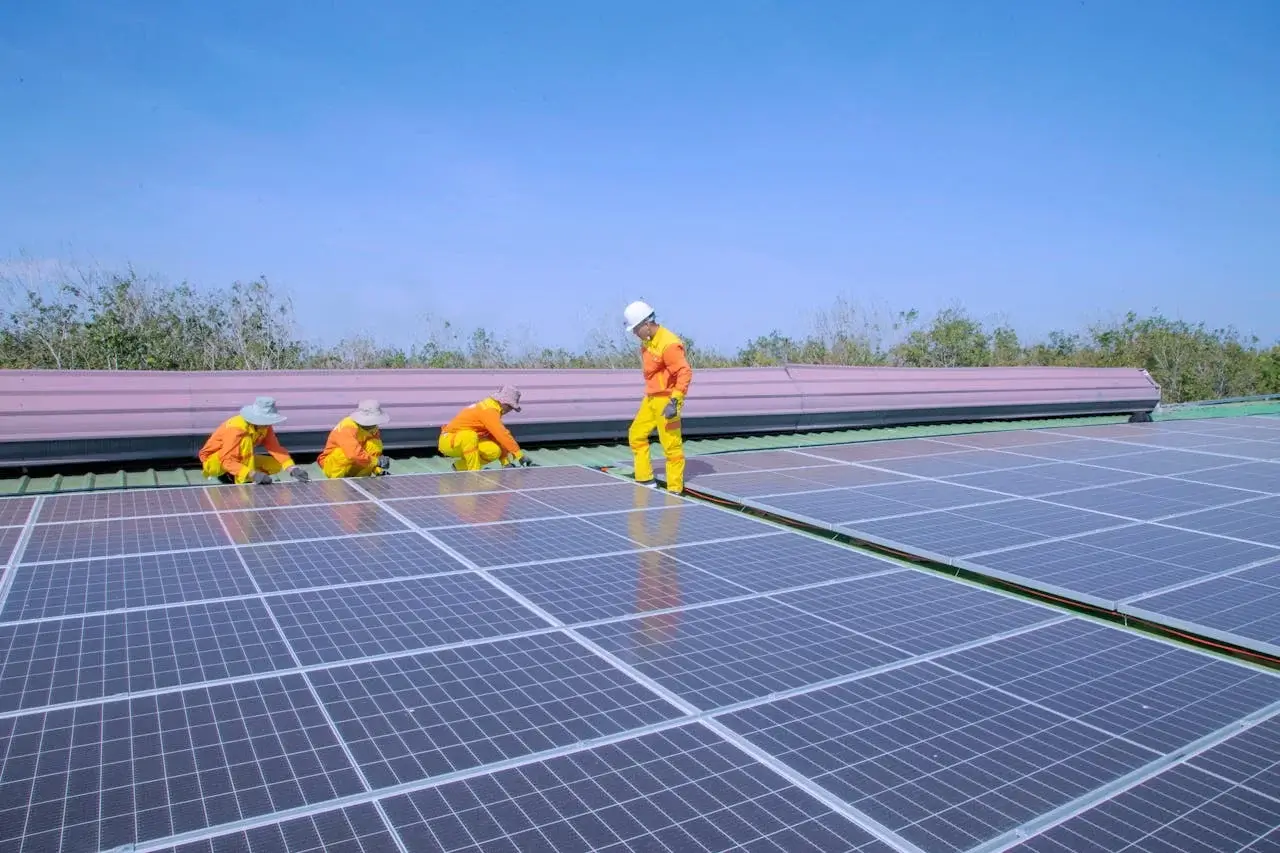
Have you started comparing solar panels and wondering how much you could save on your electricity bills, but haven’t thought about whether your roof is actually ready for them? It’s a common situation. Many Australian homeowners spend weeks researching solar technology, battery storage, and energy savings, yet the condition of the roof itself is often overlooked until installation day. At Australian Solar & Roofing, we’ve found that the roof is one of the most important parts of any successful solar project. A professional Australia Roofing assessment helps identify structural issues, ageing materials, or repairs that should be completed first, protecting both your home and your investment. After all, if your solar panels are designed to last more than 25 years, your roof should be ready to support them for just as long.
Should You Inspect Your Roof Before Installing Solar Panels?
The short answer is yes. Every roof should be professionally inspected before solar panels are installed, regardless of its age or appearance. A roof assessment allows installers to evaluate its structural condition, identify existing damage, and determine whether it can safely support the additional weight of a solar system. It also includes checking for cracked tiles, rusted metal sheets, leaks, loose fixings, poor drainage, and signs of ageing that may require repairs before installation. Beyond the roof’s condition, an assessment also considers factors such as roof orientation, pitch, shading, and available installation space to maximise solar performance. If major repairs or a roof replacement are likely within the next decade, completing that work before installing solar panels can save thousands of dollars by avoiding the need to remove and reinstall the system later. A thorough Australia Roofing inspection gives homeowners confidence that their roof is ready for decades of clean energy while helping protect warranties, improve system performance, and prevent unnecessary maintenance costs.
Why Your Roof Matters More Than the Solar Panels
It’s easy to focus on the solar panels themselves because they’re the visible part of the system. However, every panel, mounting rail, and electrical component relies on the roof beneath it.
Most quality solar panels are designed to last between 25 and 30 years. If your roof is already nearing the end of its lifespan, installing solar without addressing existing issues could create unnecessary costs later. Removing and reinstalling solar panels to carry out roof repairs is far more expensive than completing the roofing work before installation.
At Australian Solar & Roofing, we encourage homeowners to think of the roof and solar system as one complete investment rather than two separate projects. Starting with a professional Australia Roofing assessment helps ensure both systems perform reliably for decades.
7 Things Every Roof Assessment Should Include
A comprehensive roof inspection goes beyond checking whether the roof looks good from the street. Here are the key areas every assessment should cover.
1. Roof Age
The age of your roof is one of the first things an installer should consider.
Different roofing materials have different expected lifespans. For example:
- Metal roofs can often last 40 years or more with proper maintenance.
- Concrete roof tiles commonly last 40 to 50 years.
- Terracotta tiles may last even longer when well-maintained.
If your roof is already approaching the end of its expected lifespan, replacing it before installing solar may be the most practical long-term decision.
2. Structural Integrity
Solar panels add additional weight to your roof, making structural integrity an important part of the assessment.
Your installer should inspect:
- Roof framing
- Rafters and trusses
- Roof movement
- Signs of structural weakness
- Previous modifications
Most Australian homes are structurally capable of supporting solar panels, but older homes or properties that have experienced storm damage may require additional engineering advice before installation.
3. Overall Roof Condition
Even relatively new roofs can develop issues that should be repaired before solar panels are installed.
During an inspection, professionals look for:
- Broken or cracked roof tiles
- Rusted metal roofing
- Loose roofing sheets
- Damaged ridge capping
- Water leaks
- Corrosion around fasteners
- Sagging roof sections
Addressing these problems before installation helps protect both your roof and your solar investment for the long term.
4. Roof Orientation and Pitch
Not every roof generates the same amount of solar energy.
A roof assessment includes evaluating the direction your roof faces and its angle to determine how efficiently it can produce electricity throughout the year.
North-facing roofs generally provide the highest energy production in Australia, although east and west-facing roofs can also perform very well depending on your household’s energy usage. The roof pitch is equally important because it influences how much sunlight reaches the panels across different seasons.
Rather than assuming every roof is identical, we assess each property individually to design a solar system that delivers the best possible performance for your location and lifestyle.
5. Roof Shading Assessment
Even the best solar panels cannot perform at their full potential if large sections of the roof are regularly shaded. During a roof assessment, we look at anything that could block sunlight throughout the day or during different seasons.
Common sources of shade include:
- Large trees
- Neighbouring buildings
- Chimneys
- Antennas
- Roof vents
- Future tree growth
Modern solar technology can reduce the impact of partial shading, but careful system design is still essential. Identifying shading issues early allows us to position panels where they will receive the greatest amount of sunlight and deliver better long-term energy production.
6. Existing Roof Repairs
Many roofs have undergone repairs over the years, but not every repair is completed to the same standard.
Before installing solar panels, we inspect previous repair work to ensure the roof remains structurally sound and watertight. Areas that have experienced leaks, storm damage, or repeated patching deserve extra attention because they may become harder to access once solar panels are installed.
Completing any outstanding repairs beforehand helps prevent future disruptions and protects the lifespan of both the roof and the solar system.
7. Future Roofing Plans
A roof assessment should also consider your long-term plans for the property.
Ask yourself:
- Are you planning a roof replacement within the next 10 years?
- Will you add a home extension?
- Are you considering skylights or roof ventilation upgrades?
- Could your household’s energy needs increase?
Planning ahead allows us to design a solar system that works with future improvements rather than creating unnecessary costs later. Thinking beyond today’s installation often results in a more practical and cost-effective investment.
Should You Replace Your Roof Before Installing Solar?
One of the most common questions we hear is whether a roof should be replaced before adding solar panels.
The answer depends on its condition.
If your roof is nearing the end of its lifespan, has widespread damage, or requires major repairs, replacing it before installing solar is usually the smartest decision. Removing solar panels later, so roofing work can be completed, involves additional labour, extra equipment, and higher costs that are often avoidable.
On the other hand, if your roof is structurally sound and has many years of service remaining, minor repairs may be all that’s needed before installation.
At Australian Solar & Roofing, we provide honest recommendations based on your roof’s condition rather than encouraging unnecessary work. Our goal is to help you make a decision that delivers long-term value.
Benefits of Combining Roofing and Solar Installation
Many homeowners choose to complete roof replacement and solar installation as one coordinated project.
Some of the biggest advantages include:
- One installation schedule instead of two separate projects
- Reduced labour costs
- No need to remove and reinstall solar panels later
- Better waterproofing around mounting points
- Improved planning between roofing and solar teams
- Greater long-term value for your investment
By managing both services together, we can streamline the process and minimise disruption while ensuring every component works together as intended.
Common Roof Problems That Can Delay Solar Installation
A professional roof assessment often uncovers issues that homeowners were unaware of.
Some of the most common include:
- Roof leaks
- Cracked or broken tiles
- Rusted metal roofing
- Damaged roof framing
- Poor roof drainage
- Loose ridge capping
- Corrosion around fasteners
- Asbestos roofing materials
Identifying these problems before installation protects your investment and helps avoid unexpected delays once work begins.
Why Professional Roof Assessments Save Money
Some homeowners are tempted to skip a roof inspection to save time or reduce upfront costs. Unfortunately, this can become far more expensive later.
Imagine installing a solar system only to discover a roof leak two years later. The panels may need to be removed before repairs can begin, adding labour costs that could have been avoided with an earlier inspection.
A professional roof assessment helps you:
- Prevent unnecessary repair costs
- Protect your solar investment
- Extend the life of your roof
- Avoid installation delays
- Improve long-term system performance
Spending a little time assessing the roof today can save thousands of dollars over the lifetime of your solar system.
Why Choose Australian Solar & Roofing?
At Australian Solar & Roofing, we believe a successful solar installation starts long before the first panel is mounted. Our team combines roofing expertise with solar knowledge, allowing us to assess your entire roof rather than focusing only on where the panels will be installed. This integrated approach helps identify potential issues early and ensures your roof is ready to support decades of reliable solar performance.
We use quality roofing materials, trusted solar products, and proven installation methods designed for Australian conditions. Every recommendation we make is based on the condition of your property, your energy goals, and your long-term plans rather than a standard sales package. Whether your roof needs minor repairs, a complete replacement, or is already solar-ready, we’ll provide practical advice you can trust.
From your initial Australia Roofing assessment through to installation and ongoing support, our goal is to make the process straightforward, transparent, and tailored to your home. We take pride in helping Australian homeowners invest with confidence by delivering workmanship, service, and long-term value that lasts.
Frequently Asked Questions
Does every roof need an inspection before solar installation?
Yes. Every roof should be professionally assessed to ensure it is structurally sound, free from significant damage, and suitable for supporting a solar system.
Can solar panels be installed on an older roof?
They can, provided the roof is still in good condition. If the roof is close to the end of its lifespan, replacing it before installation is often the better long-term investment.
How old is too old for solar panels?
The age of the roof is more important than the age of the home. A well-maintained roof may still be suitable for solar, while an ageing roof with significant wear may require repairs or replacement first.
Should I replace my roof before installing solar?
If major roofing work is likely within the next several years, completing it before installing solar usually saves money by avoiding future panel removal and reinstallation.
Does roof pitch affect solar performance?
Yes. Roof pitch influences how much sunlight reaches the panels throughout the year and plays an important role in overall energy production.
How long does a roof assessment take?
Most residential roof assessments can be completed within one to two hours, depending on the property’s size and complexity.
Can damaged roof tiles reduce solar performance?
Damaged tiles may not directly reduce energy production, but they can lead to leaks and structural issues that affect the safety and longevity of your solar installation.
Can Australian Solar & Roofing complete both roofing and solar work?
Yes. We provide integrated roofing and solar services, making it easier to prepare your roof and install a complete solar solution through one experienced team.
Final Thoughts
Installing solar panels is one of the best investments many Australian homeowners will make, but the success of that investment begins with the roof beneath it. A professional roof assessment helps identify structural concerns, existing damage, shading issues, and future maintenance needs before installation begins. Taking the time to evaluate your roof now can prevent costly repairs, improve system performance, and protect your investment for decades.
Whether your roof is ready today or needs a few upgrades first, starting with a comprehensive Australia Roofing assessment gives you the confidence to move forward knowing your home is prepared for clean, reliable energy.
Speak With a Local Expert
Thinking about installing solar panels, but unsure if your roof is ready?
Our team at Australian Solar & Roofing can inspect your roof, explain your options, and recommend the best path forward based on your home’s condition and your long-term energy goals. Whether you need minor repairs, a full roof replacement, or a complete solar installation, we’re here to help every step of the way.
Speak With a Local Expert today and find out if your roof is ready for a solar system built to last.
Follow our social media pages below for more updates:
Find out more articles that can help you with your solar power system needs below: