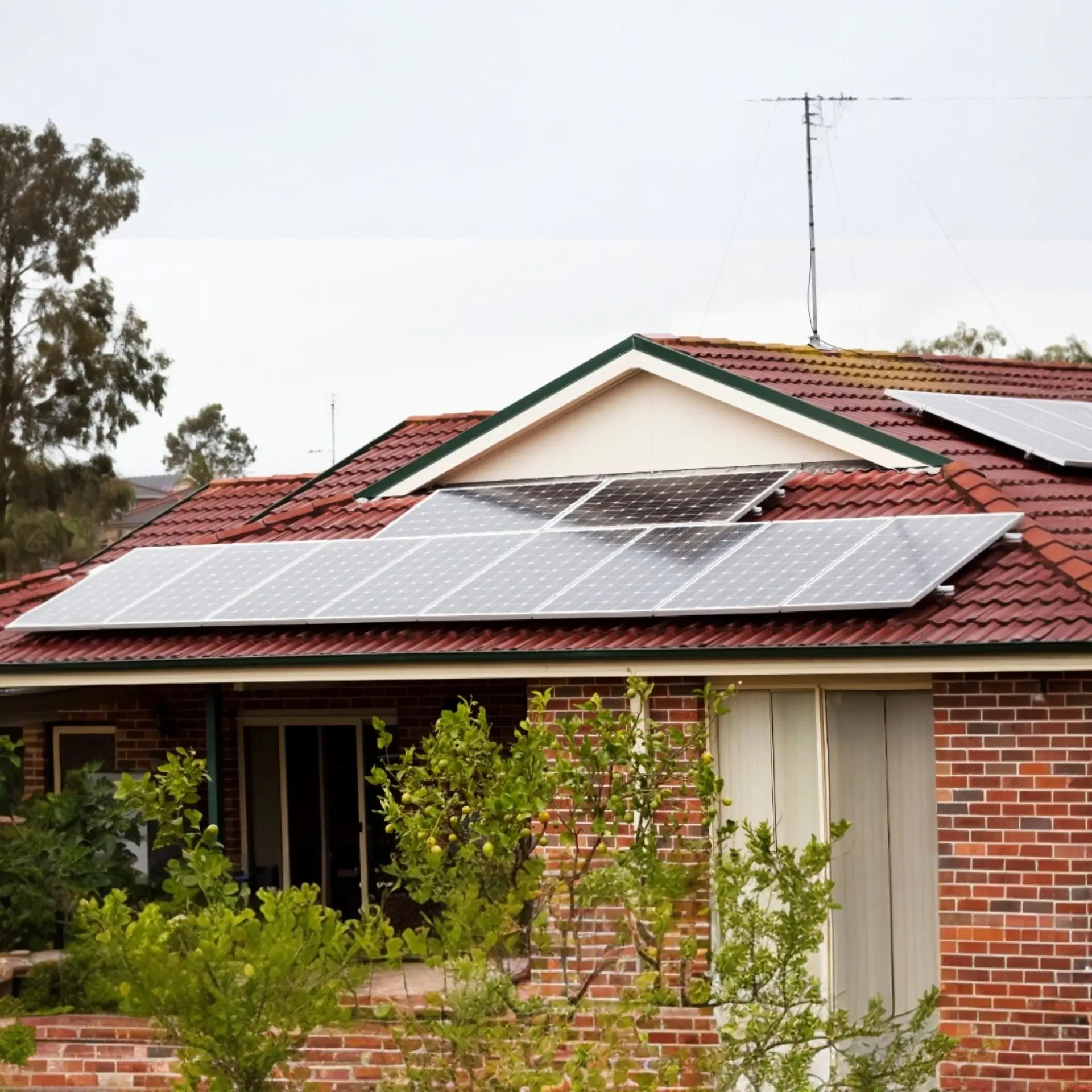
When was the last time you actually looked at your roof? Most homeowners only notice roofing problems after a leak appears inside the house, but by then the damage may already be far more expensive to repair. Your roof works hard every day to protect your home from Australia’s harsh sun, heavy rain, strong winds, hail, and changing temperatures. Over time, even the highest-quality roofing materials begin to show signs of wear. At Australian Solar & Roofing, we’ve seen how identifying small issues early can prevent major structural damage, extend the life of a roof, and save homeowners thousands of dollars in future repairs. Whether you’re maintaining your existing roof or planning an australia roof installation, understanding these warning signs helps you make informed decisions and protect one of your home’s most valuable assets.
How Do You Know If Your Roof Needs Attention?
Your roof often gives clear warning signs before serious problems develop, but many homeowners simply don’t recognise them. Broken or cracked roof tiles, rust on metal roofing, water stains on ceilings, sagging roof sections, moss or lichen growth, damaged flashing, and rising energy bills can all indicate that your roof needs professional attention. While some issues may appear minor, they can quickly lead to water damage, timber deterioration, mould growth, or costly structural repairs if left untreated. A professional inspection allows roofing specialists to identify hidden problems that are difficult to spot from the ground and recommend the most appropriate solution, whether that’s a simple repair, restoration, or a complete australia roof installation. Acting early not only protects your home but can also extend your roof’s lifespan, improve energy efficiency, and help avoid expensive emergency repairs in the future.
Why Regular Roof Inspections Matter
Many roofing problems develop slowly over time. Small cracks, loose flashing, or worn sealants may not cause immediate issues, but exposure to Australia’s weather can quickly make them worse.
Regular roof inspections provide several important benefits:
- Detect damage before it becomes expensive.
- Extend the life of your roof.
- Improve weather protection.
- Maintain your property’s value.
- Identify issues before installing solar panels.
- Reduce long-term maintenance costs.
At Australian Solar & Roofing, we recommend viewing roof inspections as preventative maintenance rather than waiting until visible damage appears inside your home.
1. Broken, Cracked, or Missing Roof Tiles
Roof tiles naturally experience wear after years of exposure to changing weather conditions.
Strong winds, hail, falling branches, and even normal ageing can cause tiles to crack, loosen, or become displaced.
Even one damaged tile can allow rainwater to enter the roof cavity, leading to timber rot, insulation damage, and ceiling stains if ignored.
Early replacement of damaged tiles is one of the simplest and most affordable ways to prevent larger roofing repairs.
2. Rust or Corrosion on Metal Roofing
Metal roofs are popular throughout Australia because of their durability, but they still require regular maintenance.
Rust often begins as small patches around fasteners, overlaps, or damaged protective coatings. If left untreated, corrosion can spread across roofing sheets and eventually weaken the roof’s structural integrity.
Homes located near the coast may experience faster corrosion due to salt exposure, while inland properties are also affected by years of intense sunlight and seasonal weather.
Treating rust early can often avoid the need for more extensive roofing work later.
3. Water Stains on Ceilings or Walls
One of the clearest signs of roofing problems appears inside the home rather than on the roof itself.
Brown ceiling stains, peeling paint, bubbling plaster, damp walls, or mould growth often indicate that water has already entered the roof cavity.
The source of the leak may not be directly above the visible stain because water can travel along the roof framing before becoming noticeable indoors.
Rather than simply repairing the ceiling, homeowners should arrange a professional roof inspection to locate and fix the original cause of the leak.
4. Sagging Roof Areas
A roof should maintain a consistent shape across its entire surface.
If you notice sections that appear uneven, dipping, or sagging, this may indicate a structural issue requiring immediate attention.
Possible causes include:
- Water damage
- Deteriorated roof timbers
- Excessive roof loading
- Long-term moisture exposure
- Age-related structural movement
Sagging roofs should never be ignored because they can affect the overall stability of the roofing system and may require urgent repairs.
In some situations, significant structural damage may mean a complete Australia roof installation is the safest and most practical long-term solution.
5. Moss, Algae, or Lichen Growth
A small amount of moss or lichen might not seem like a problem, but it can trap moisture against your roofing materials for long periods. Over time, this constant moisture can weaken roof tiles, damage protective coatings, and increase the risk of leaks.
Moss and algae are especially common in shaded areas where the roof does not dry quickly after rain. Regular roof cleaning and maintenance can help prevent this growth from causing long-term damage and keep your roof performing as it should.
6. Damaged Flashing Around Roof Penetrations
Flashing is the material installed around roof penetrations such as chimneys, skylights, vents, and solar panel mounting points. Its purpose is to stop water from entering vulnerable areas of the roof.
Over time, flashing can loosen, crack, corrode, or separate from surrounding roofing materials. Even a small gap can allow water to enter the roof cavity.
Professional inspections include checking flashing around every roof penetration to ensure it continues to provide a watertight seal.
7. Rising Energy Bills
Your roof plays a bigger role in your home’s energy efficiency than many people realise.
Damaged roofing materials, poor ventilation, deteriorated insulation, or hidden leaks can make it harder to keep your home cool during summer and warm during winter. As a result, your heating and cooling systems work harder, increasing your electricity costs.
If your energy bills have risen without any obvious reason, your roof may be contributing to the problem. Addressing roofing issues early can improve comfort while reducing ongoing energy expenses.
Should You Repair, Restore or Replace Your Roof?
The right solution depends on the condition of your roof and the extent of the damage.
A repair is often suitable when the problem is isolated, such as replacing a few cracked tiles or fixing damaged flashing.
A roof restoration is generally recommended when the roof remains structurally sound but shows widespread signs of ageing, including faded coatings, minor leaks, surface rust, or weather-related wear. Restoration improves both appearance and performance while extending the roof’s lifespan.
A complete australia roof installation may be the best option when the roof has severe structural damage, widespread deterioration, recurring leaks, or has reached the end of its expected service life.
The best way to determine the right solution is through a professional roof inspection.
Planning Solar? Check Your Roof First
Many homeowners plan to install solar panels without first assessing the condition of their roof.
Because solar systems are designed to last more than 25 years, they should be installed on a roof that is equally prepared for long-term performance. Completing repairs, restoration, or a new Australia roof installation before adding solar panels can help avoid the future cost of removing and reinstalling the system for roofing work.
At Australian Solar & Roofing, we assess both your roof and your future energy goals to ensure every installation delivers lasting value.
How Often Should Australian Roofs Be Inspected?
Regular inspections help identify small issues before they become major repairs.
We generally recommend:
- A professional roof inspection at least once each year.
- An inspection after severe storms, hail, or strong winds.
- A roof assessment before installing solar panels.
- An inspection before selling your property.
- Additional inspections for older roofs or homes in areas with harsh weather conditions.
Routine maintenance often costs far less than emergency roofing repairs.
Why Choose Australian Solar & Roofing For Your Roofing Needs?
At Australian Solar & Roofing, we understand that your roof is one of the most important investments in your home. Our experienced team provides honest inspections, practical recommendations, and quality workmanship designed to protect your property for years to come. Whether you need a simple repair, roof restoration, or a complete roofing upgrade, we tailor every solution to your home’s condition and your long-term goals.
Our expertise extends beyond roofing. As specialists in both roofing and solar, we understand how these systems work together to improve your home’s durability, energy efficiency, and value. This allows us to provide advice that considers not only your current roofing needs but also future upgrades such as solar panels and battery storage.
From the first inspection through to project completion, we focus on transparent communication, premium materials, skilled workmanship, and ongoing support. Our goal is to help Australian homeowners make informed decisions with confidence.
Frequently Asked Questions
How often should my roof be inspected?
Most homes benefit from a professional roof inspection once a year, with additional inspections recommended after severe storms or before installing solar panels.
Can I inspect my roof myself?
You can often spot obvious issues from ground level, but climbing onto the roof can be dangerous. Professional inspections are safer and more comprehensive.
What causes roof leaks?
Roof leaks can result from cracked tiles, damaged flashing, rust, blocked gutters, worn sealants, or storm damage.
How do I know if I need restoration or replacement?
A professional inspection will assess the roof’s structural condition and recommend the most suitable and cost-effective option.
Should I inspect my roof before installing solar?
Yes. Ensuring the roof is in good condition before solar installation can prevent costly panel removal and future roofing work.
What is the average lifespan of an Australian roof?
The lifespan depends on the roofing material, maintenance, and local weather conditions. Many well-maintained roofs can last several decades.
Does insurance cover roof damage?
Insurance may cover damage caused by insured events such as storms or hail, but general wear and tear is usually not covered. Check your individual policy for details.
How quickly should roof damage be repaired?
Roof damage should be addressed as soon as possible. Even small issues can worsen quickly when exposed to rain and changing weather conditions.
Final Thoughts
Your roof quietly protects your home every day, but it also sends warning signs when something isn’t right. By recognising these early indicators and arranging professional inspections when needed, you can prevent small problems from becoming major repairs. Whether your roof requires a simple repair, restoration, or a complete replacement, taking action early helps protect your home, improve energy efficiency, and extend the life of your roofing system.
At Australian Solar & Roofing, we’re committed to helping homeowners make informed decisions through expert advice, quality workmanship, and solutions designed for Australian conditions.
Request a Quote
Concerned about the condition of your roof?
Our experienced team is ready to inspect your roof, identify any issues, and recommend the most practical solution for your home. Whether you need repairs, restoration, or a complete roofing upgrade, we’ll provide honest advice and quality workmanship you can rely on.
Request a quote today and let Australian Solar & Roofing help keep your home protected for years to come.
Follow our social media pages below for more updates:
Find out more articles that can help you with your solar power system needs below: