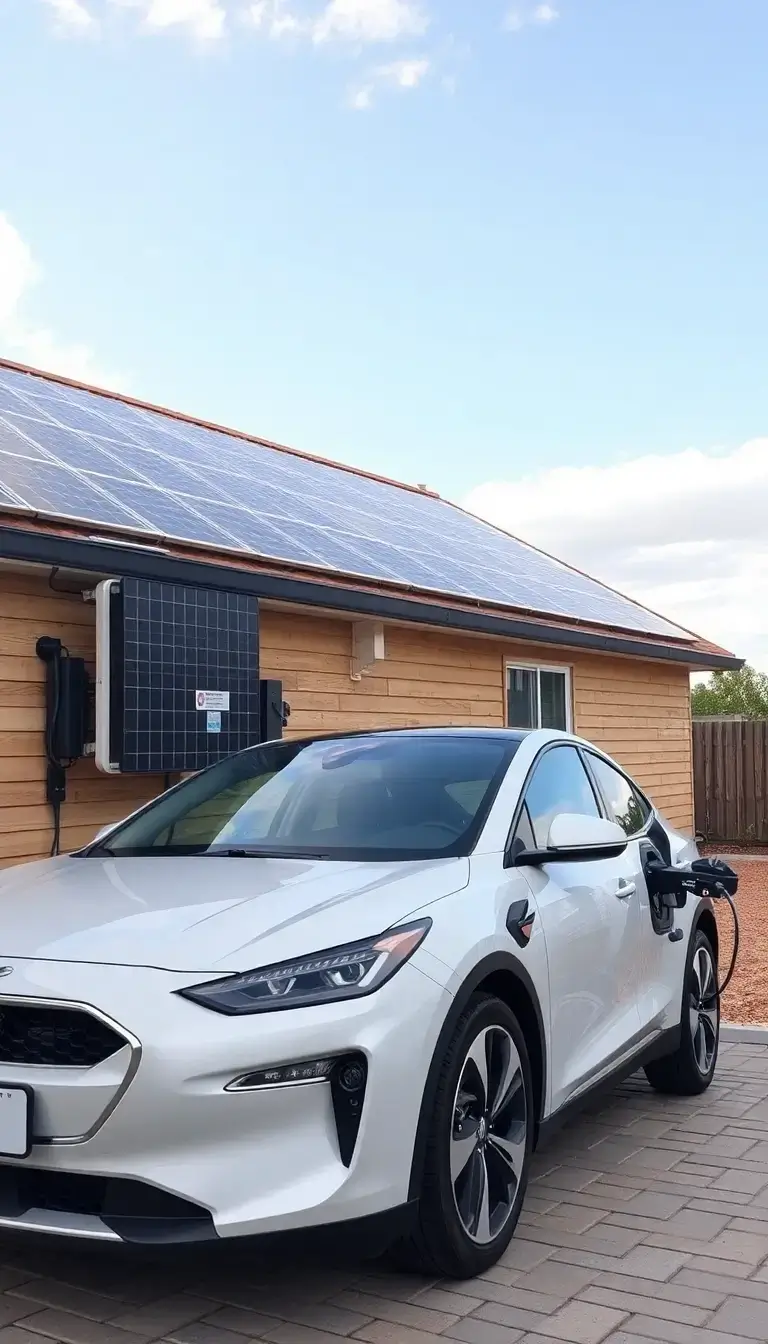
Have you ever wondered what it would be like to wake up every morning with a fully charged vehicle waiting in your driveway? As more Australians make the switch to electric vehicles, many homeowners are asking whether installing a home EV charger is worth the investment. The answer often depends on how you use your vehicle, your home’s electrical setup, and whether you’re looking for a smarter way to manage energy costs. As specialists in solar, battery storage, and energy solutions, we have seen a growing number of households incorporate EV charging into their broader energy strategy. Increasingly, homeowners are discovering that electric vehicle charging works best when combined with solar power and battery storage as part of modern Whole Home Energy Solutions.
What Is EV Charger Installation Australia?
EV charger installation Australia refers to the process of professionally installing a dedicated charging station at a residential property to safely and efficiently charge an electric vehicle. While many EVs can technically be charged from a standard household power point, dedicated chargers provide significantly faster charging speeds, improved safety, and smarter energy management capabilities. A professionally installed EV charger connects directly to your home’s electrical system and can often be integrated with solar panels, battery storage, and energy monitoring technology. This allows homeowners to charge vehicles using renewable energy generated from their own roof rather than relying entirely on electricity from the grid. As electric vehicle ownership continues to grow across Australia, home charging is becoming the preferred option because it offers convenience, lower running costs, and greater control over energy consumption. Many homeowners are now including EV charging as part of broader Whole Home Energy Solutions that combine solar generation, battery storage, and intelligent energy management to maximise savings and energy independence.
Why More Australians Are Charging EVs at Home
Convenience and Everyday Practicality
One of the biggest advantages of home EV charging is convenience.
Instead of planning trips around public charging stations, homeowners can simply plug in their vehicle when they arrive home and wake up with a fully charged battery.
For most drivers, this becomes a seamless part of their daily routine.
Lower Charging Costs
Charging at home is often more affordable than relying solely on public charging networks.
Households with solar systems can reduce costs even further by using excess solar generation to charge their vehicles during the day.
Greater Energy Independence
Many Australians are looking for ways to reduce reliance on traditional energy providers.
Combining solar, battery storage, and EV charging allows households to generate and consume more of their own electricity.
Preparing for Australia’s Electric Vehicle Future
Electric vehicle adoption continues to increase across Australia.
Installing a home charger today can help future-proof your property while making EV ownership more practical and convenient.
Understanding the Different Types of Home EV Chargers
Level 1 Charging (Standard Power Outlet)
Level 1 charging uses a standard household power outlet.
While convenient, charging speeds are relatively slow and may not be suitable for households with higher daily driving requirements.
Level 2 Charging (Dedicated Home Charger)
Level 2 chargers are the most common option for residential installations.
These chargers provide significantly faster charging speeds and are specifically designed for electric vehicle use.
Benefits include:
- Faster charging times
- Improved safety
- Greater efficiency
- Better compatibility with smart energy systems
Smart EV Chargers
Modern smart chargers provide advanced features such as:
- Scheduled charging
- Solar integration
- Energy monitoring
- Mobile app controls
- Load balancing
These features help homeowners optimise charging costs and energy usage.
Which Charger Is Right for Your Home?
The best charger depends on:
- Your vehicle type
- Daily driving habits
- Electrical capacity
- Future vehicle plans
- Solar and battery integration goals
A professional assessment can help determine the most suitable option.
How Solar, Batteries, and EV Chargers Work Together
The Rise of Whole Home Energy Solutions
Modern households are increasingly moving toward integrated energy systems rather than standalone technologies.
Whole Home Energy Solutions Gold Coast combines solar panels, battery storage, EV charging, and energy monitoring into one coordinated system.
This approach maximises efficiency and helps homeowners gain greater control over energy costs.
Using Solar Energy to Charge Your Vehicle
Solar panels generate electricity throughout the day.
Instead of exporting excess power to the grid, homeowners can use that energy to charge their vehicle directly.
This can significantly reduce transportation costs over time.
Storing Excess Solar Power in a Battery
Battery systems allow homeowners to store unused solar energy for later use.
This stored energy can then be used to:
- Charge an EV overnight
- Power household appliances
- Reduce peak electricity purchases
Reducing Reliance on the Grid
When solar panels, batteries, and EV chargers work together, households often rely less on grid electricity.
This can improve energy independence and provide greater protection against rising electricity costs.
What Does EV Charger Installation Cost in Australia?
Factors That Influence Installation Costs
Several factors affect the overall cost of EV charger installation, including:
- Charger model and specifications
- Distance from switchboard
- Existing electrical infrastructure
- Electrical upgrades required
- Smart charging features
- Solar integration requirements
Every property is different, which is why professional site assessments are important.
Why Professional Installation Matters
Professional installation ensures:
- Compliance with Australian electrical standards
- Safe operation
- Proper circuit protection
- Reliable performance
- Long-term system durability
Choosing a qualified installer can help avoid costly issues later.
Is Your Home Ready for an EV Charger?
Electrical Capacity Considerations
Some homes may require electrical upgrades before an EV charger can be installed.
Factors that may need assessment include:
- Existing switchboard capacity
- Available electrical load
- Current appliance usage
- Future energy demands
Switchboard Upgrades
Older properties may require switchboard upgrades to safely support EV charging.
A qualified installer can determine whether upgrades are necessary.
Safety and Compliance Requirements
All EV charger installations should comply with Australian electrical regulations and safety standards.
This helps ensure safe operation and protects both the vehicle and property.
Future-Proofing for Multiple EVs
As households adopt additional electric vehicles, charging requirements may increase.
Planning for future expansion can help avoid unnecessary upgrade costs later.
Why Homeowners Are Combining EV Charging with Solar
Lower Energy Bills
Using solar energy to charge an EV can reduce both household electricity costs and vehicle operating expenses.
Better Return on Solar Investment
Charging an EV with excess solar energy increases self-consumption and improves the value generated by a solar system.
Sustainable Living
Many homeowners choose solar-powered EV charging as part of a broader commitment to reducing carbon emissions and supporting clean energy.
Smart Energy Management
Integrated systems provide greater visibility and control over energy production and consumption.
EV Charging for Sunny Coast Homes
Why Local Households Are Adopting Whole Home Energy Solutions
The Gold Coast’s abundant sunshine creates excellent conditions for solar generation.
As more residents adopt electric vehicles, combining solar, batteries, and EV charging is becoming an increasingly attractive option.
A Gold Coast whole home energy solution can help homeowners maximise renewable energy usage while reducing reliance on grid electricity.
Managing Rising Electricity Costs
Many households are looking for practical ways to manage energy expenses.
Combining solar generation with EV charging helps improve efficiency while creating additional long-term savings opportunities.
Common Mistakes to Avoid When Installing an EV Charger
Choosing the Wrong Charger Size
Not every household needs the fastest available charger.
Choosing the right charger should be based on actual usage requirements.
Ignoring Future Energy Needs
Many homeowners underestimate future energy demands.
Considering battery storage, additional EVs, and home electrification can improve long-term planning.
Skipping Smart Charging Features
Smart charging technology can help reduce costs and improve energy management.
Hiring Unqualified Installers
Always work with qualified professionals who understand EV charging systems and Australian electrical requirements.
Why Choose Australian Solar & Roofing
At Australian Solar & Roofing, we believe home energy systems should work together, not separately. That is why we help homeowners integrate solar panels, battery storage, EV chargers, and energy monitoring into complete Whole Home Energy Solutions that maximise efficiency and long-term value.
Our experienced team provides tailored recommendations based on your home’s energy usage, future plans, and budget. We work with trusted solar, battery, and EV charging technologies to ensure every installation delivers reliable performance and lasting results.
From initial consultation through to installation and ongoing support, we are committed to helping Australian homeowners take greater control of their energy future while preparing for the next generation of home electrification.
Frequently Asked Questions
How much does EV charger installation cost in Australia?
Costs vary depending on charger type, installation complexity, and whether electrical upgrades are required.
Can I charge my EV using solar panels?
Yes. Many homeowners use excess solar generation to charge their electric vehicles during daylight hours.
Do I need a battery to charge an electric vehicle?
No. However, battery storage can help maximise solar self-consumption and provide greater charging flexibility.
How long does it take to charge an EV at home?
Charging times vary depending on the charger type, vehicle model, and battery size.
Can I install an EV charger in an existing home?
In most cases, yes. A professional assessment can determine any upgrades required.
What is the best EV charger for Australian homes?
The best charger depends on your vehicle, energy usage, and future plans.
Are smart EV chargers worth it?
For many households, smart chargers provide valuable features that improve efficiency and help reduce charging costs.
Final Thoughts
Home EV charging is quickly becoming a standard feature of modern Australian homes. As electric vehicles become more common, homeowners are looking for practical ways to reduce charging costs, improve convenience, and make better use of renewable energy.
The most effective approach often involves integrating EV charging with solar panels, battery storage, and energy monitoring as part of comprehensive Whole Home Energy Solutions. By planning ahead and investing in the right technology, homeowners can create a smarter, more efficient energy future.
Speak With a Local Expert
Thinking about installing an EV charger at home? Whether you’re exploring electric vehicle ownership, planning a solar upgrade, or looking for a complete energy solution, our team is here to help.
Speak with a local expert today to discuss your options and discover how solar, battery storage, and EV charging can work together to support your home’s energy future.
Follow our social media pages below for more updates:
Find out more articles that can help you with your solar power system needs below:
- What Is a Whole Home Energy Solution? (And Why Australians Are Making the Switch)
- How Solar, Batteries & EV Chargers Work Together to Cut Energy Costs
- Why More Homes Are Using Smart Energy Management Systems in 2026
- Off-Grid vs Grid-Connected Solar Systems: Which Makes Sense for Regional Australian Properties?