
Get The Facts. Then Get The Right Solution.
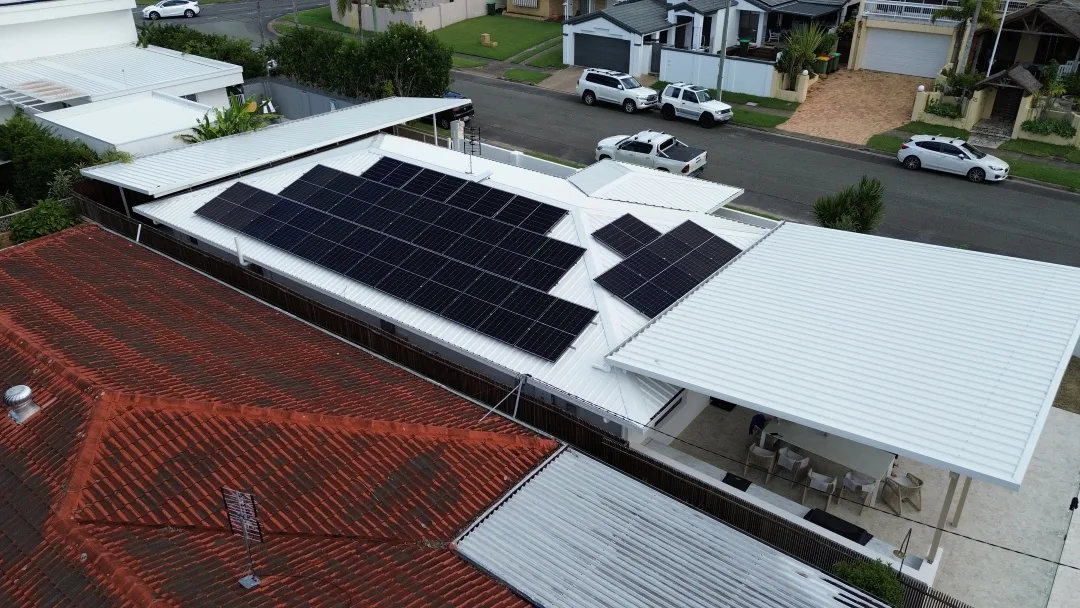
POWER YOUR HOME, YOUR WAY
Electricity prices are rising while feed-in tariffs are falling, reducing the value of exporting solar back to the grid. At the same time, evening peak rates are increasing when most households use the most power.
A home battery lets you store excess solar during the day and use it at night instead of buying expensive electricity from the grid. This increases self-consumption, reduces reliance on the grid, and helps protect against rising energy costs.
It also provides backup power during outages and grid instability, giving homeowners greater energy security and control over future energy bills.
TAKE THE NEXT STEP
No two homes use energy the same way.
Battery size depends on your usage, solar system, backup needs and future plans.
We design battery solutions around how your home actually uses energy.
“The right system. Not the most expensive one.”
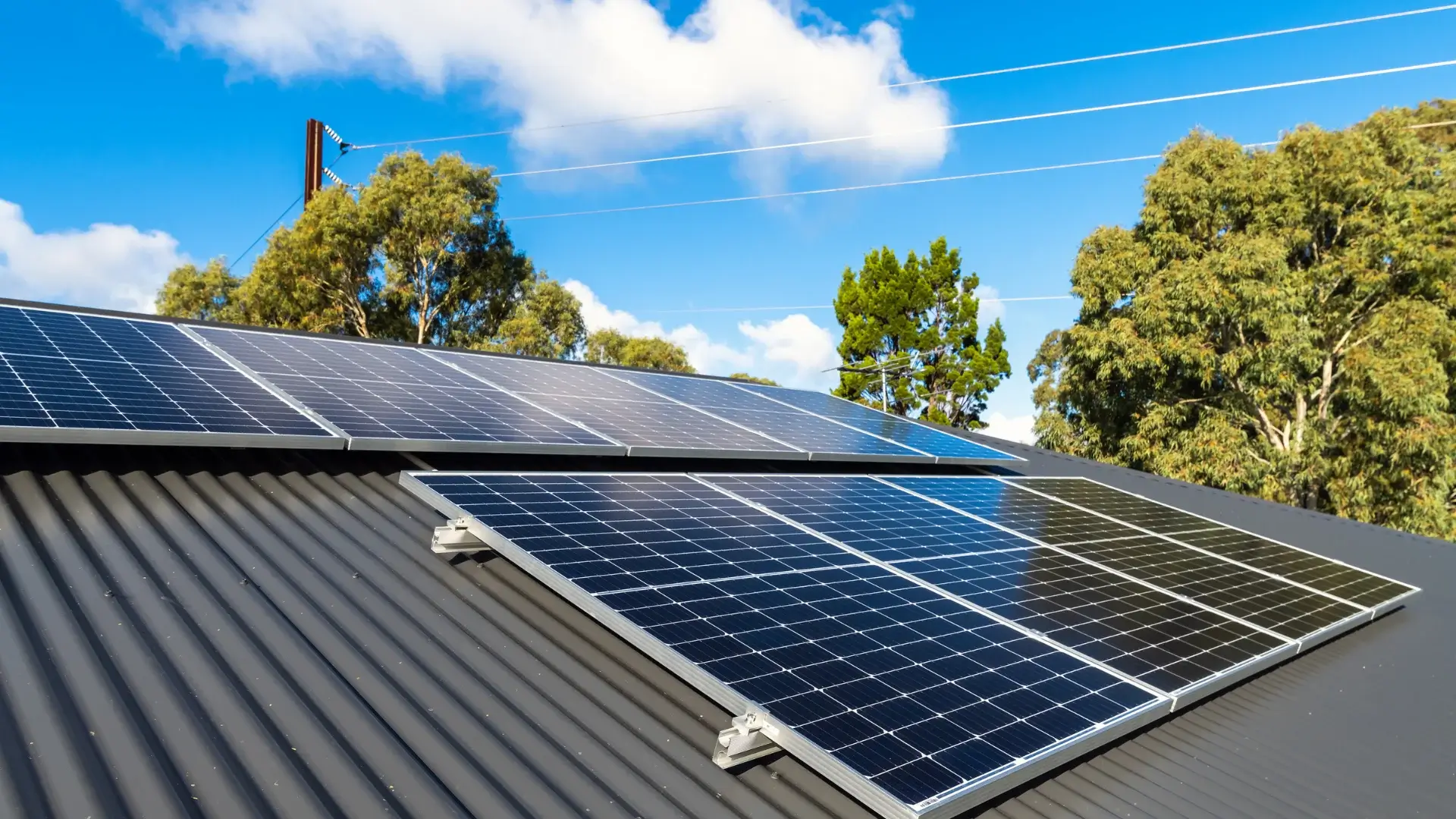
THE PROCESS
1
We start by examining your recent electricity bills and assessing your existing solar system. This helps us understand your current energy usage patterns, system performance, and potential opportunities for improvement.
2
We break down how and when you use power across the day. This allows us to identify how much energy your solar system is directly supplying versus what you’re drawing from the grid at night.
3
We discuss your goals, whether it’s backup power during outages, reducing grid reliance, or preparing for future energy needs such as EV charging or home expansions.
4
Based on your usage and goals, we design a tailored battery storage and inverter system that maximises efficiency, savings, and energy independence. Every system is sized and configured for your specific home or business.
5
Our qualified team handles the full installation, system configuration, and testing. We also provide ongoing support to ensure your system continues performing at its best.
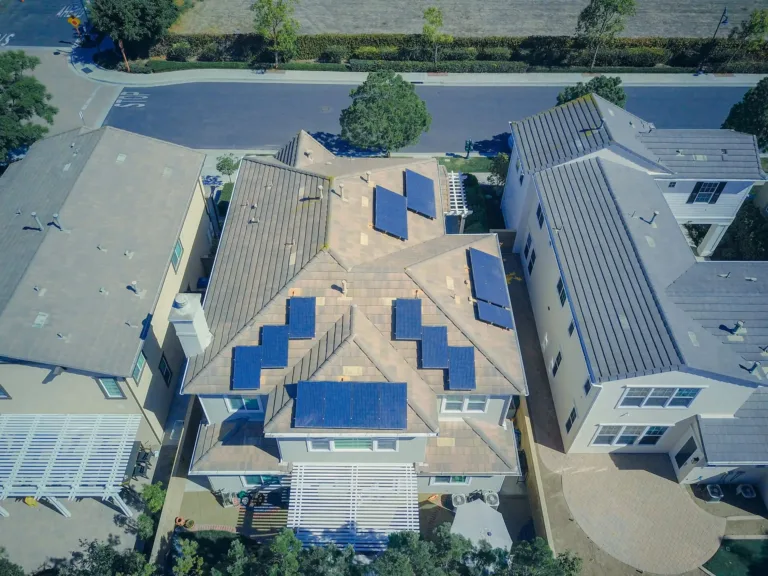
Australian Solar and Roofing can integrate battery solutions with your existing solar system where suitable. In many cases, we can upgrade or expand your current setup without requiring a complete replacement, making the transition to battery storage more cost-effective and seamless.
BATTERY SOLUTIONS

On-Grid Battery Systems
On-grid battery systems are connected to the electricity grid and are designed to store excess solar energy for later use.
Homeowners with existing solar systems who want to reduce energy bills without going fully independent from the grid.
Yes. On-grid batteries are commonly added to existing solar systems.
Hybrid Solar & Battery Systems
Hybrid systems combine solar panels, a battery, and a hybrid inverter that manages both solar generation and storage in one integrated system.
Homeowners installing a new solar system or upgrading an older system for better efficiency and control.
Sometimes. Compatibility depends on your current inverter and system setup.

Off-Grid Battery Systems
Off-grid systems operate independently of the electricity grid, relying entirely on solar panels and battery storage.
Properties in remote locations or users wanting full energy independence.
Yes, but usually requires a complete system design and may involve upgrading components.

Whole Home Backup Systems
Whole home backup systems are designed to keep essential or entire household circuits powered during a blackout.
Homeowners looking for reliable backup power during outages.
Yes. Many backup systems can be integrated with existing solar and battery setups, depending on compatibility.
OUR WORKS
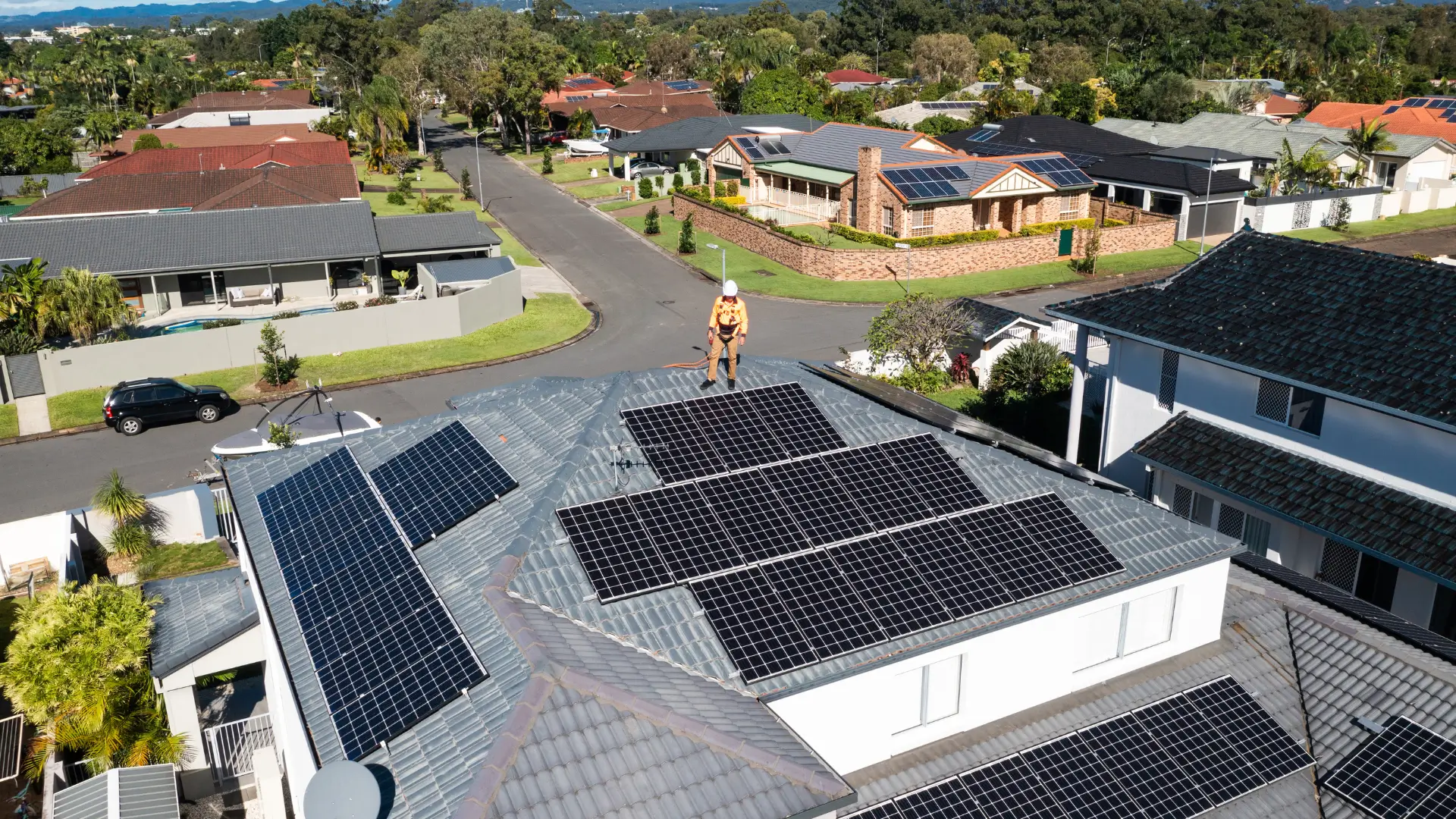
SUNSHINE COAST, QLD
13.3kW Solar + 20kWh Battery System
Solar System Size: 13.3kW
Battery: Sungrow SBR 20kWh
Inverter: Sungrow Hybrid Inverter
OUTCOME ACHIEVE
Designed to reduce peak evening consumption and provide backup protection during outages. The system now powers the home day and night with minimal grid reliance.
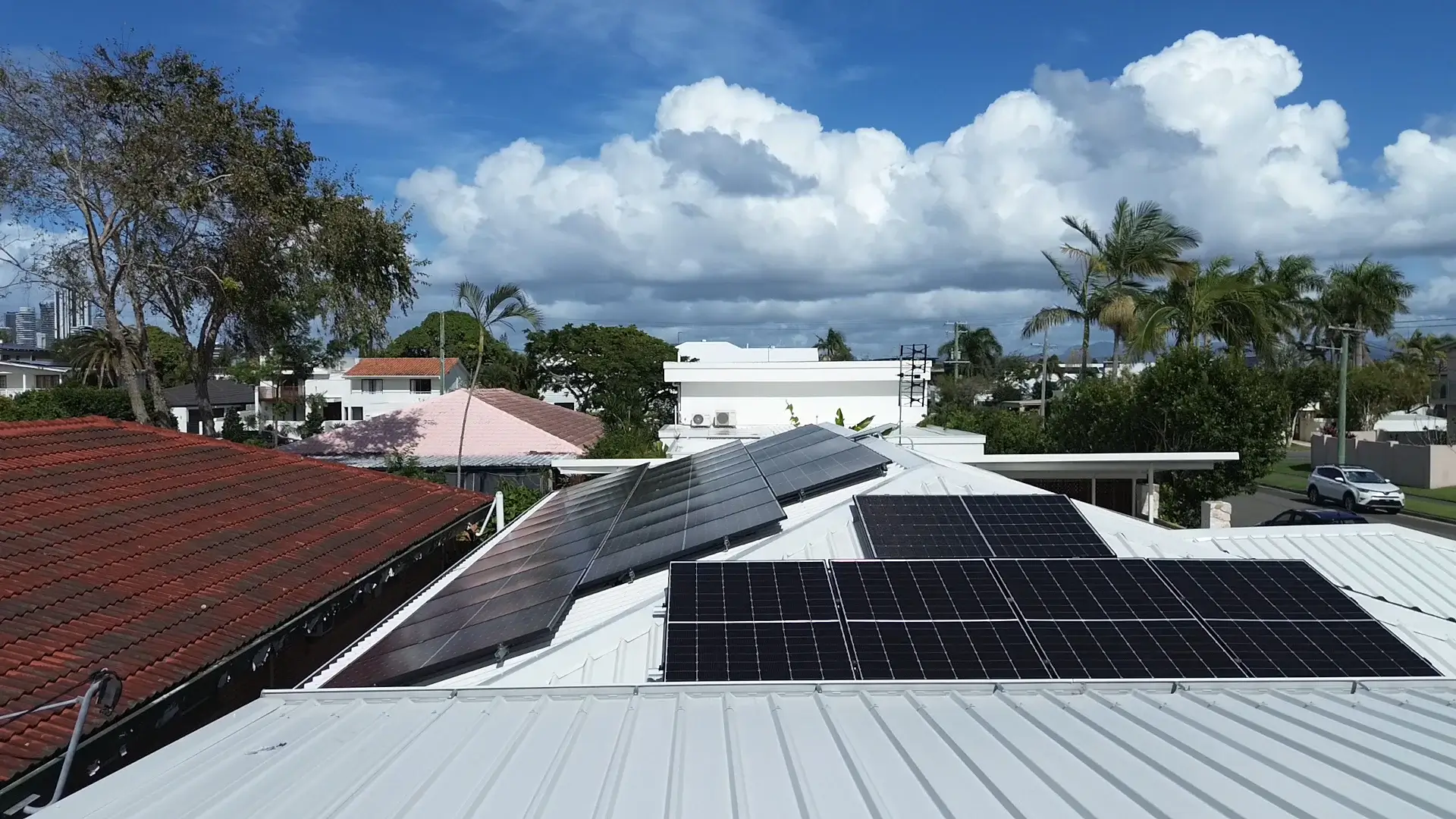
EMERALD, QLD
10.6kW Solar + 15kWh Battery System
Solar System Size: 10.36kW
Battery: BYD Battery-Box Premium 15kWh
Inverter: Fronius Symo Hybrid Inverter
OUTCOME ACHIEVE
This system was designed to maximise solar self-consumption and provide reliable backup during storms. The battery stores excess daytime energy for use in the evenings.
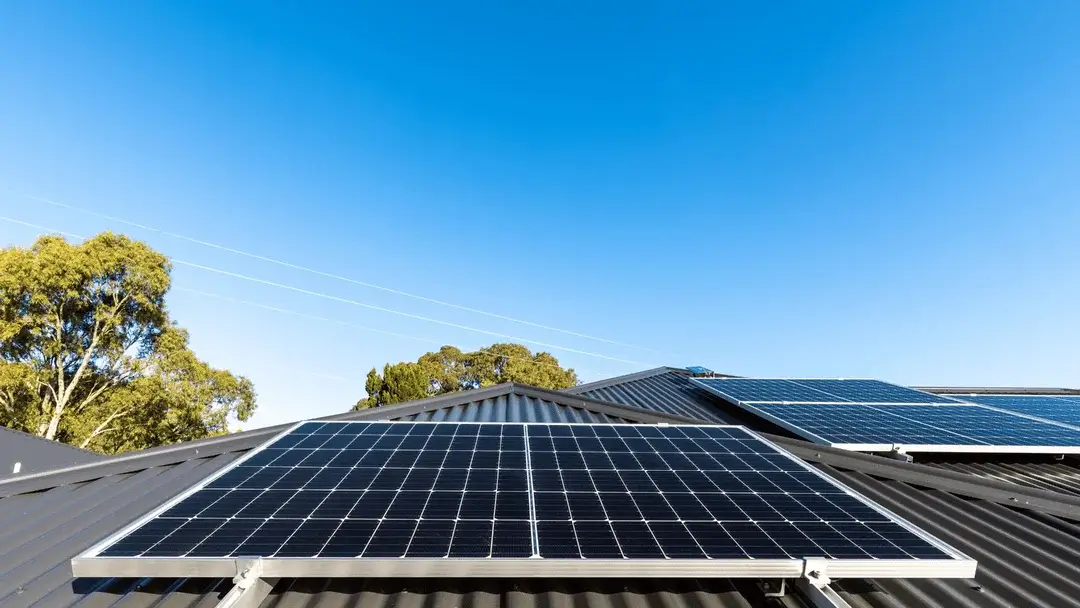
DALBY, QLD
6.66kW Solar + 10kWh Battery System
Solar System Size: 6.66kW
Battery: Tesla Powerwall 2 (13.5kWh)
Inverter: Tesla Hybrid Inverter
OUTCOME ACHIEVE
Compact system tailored to reduce high evening usage and provide essential backup. The Powerwall ensures peace of mind during power interruptions.
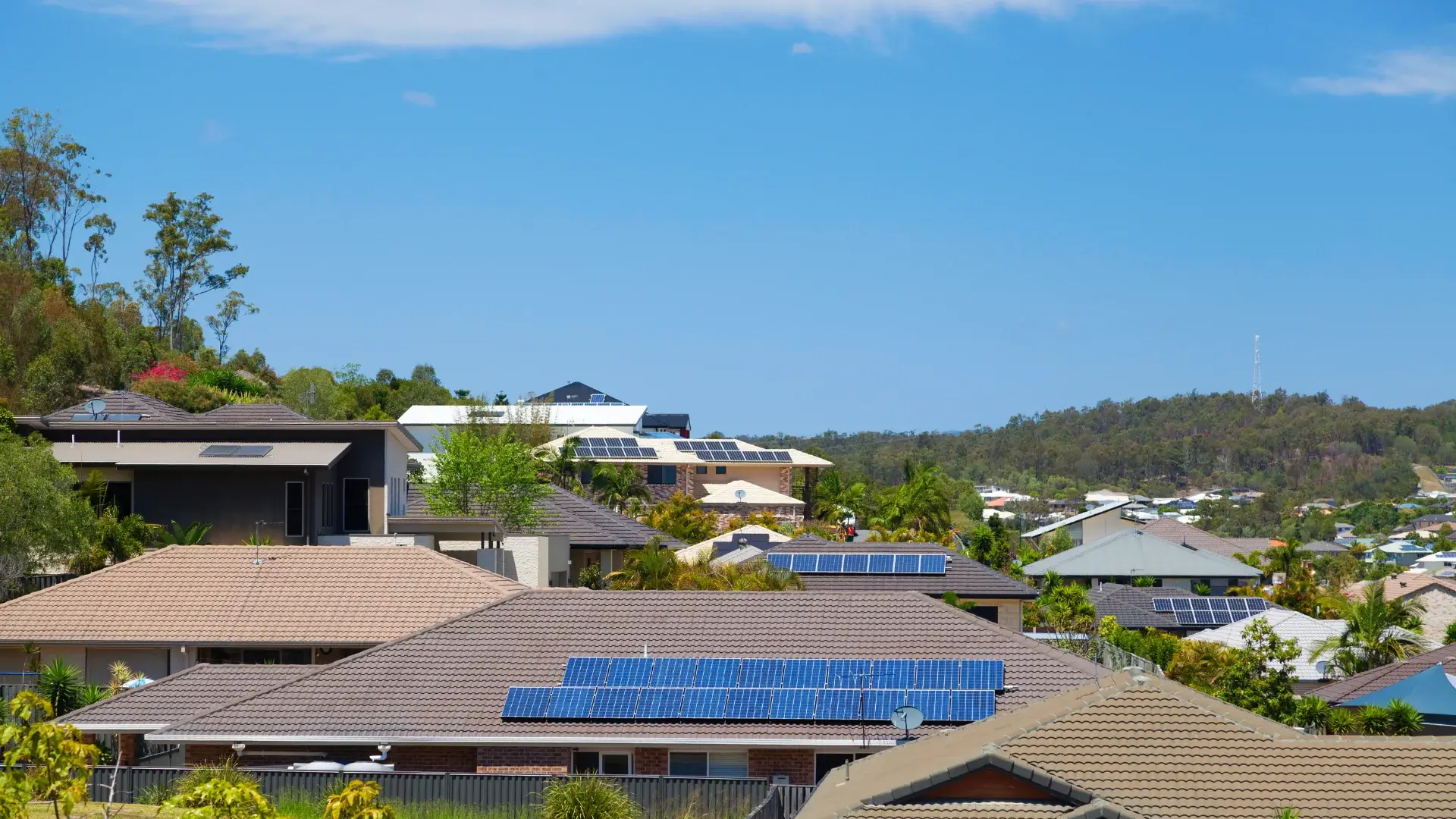
MOUNT ISA, QLD
15kW Solar + 30kWh Battery System
Solar System Size: 15kW
Battery: Sungrow SBR 30kWh (2 x 15kWh)
Inverter: Sungrow 15kWh Hybrid Inverter
OUTCOME ACHIEVE
Built for energy independence on a larger rural property. The system handles high daytime loads and delivers continuous backup for the whole home.
TRUSTED TECHNOLOGY PARTNERS
Known for reliable hybrid inverters and battery systems with strong performance, smart monitoring, and excellent value.
Well-regarded for efficient hybrid technology, flexible system integration, and dependable residential energy storage solutions.
Offers integrated battery storage systems designed for energy independence, backup capability, and smart home energy management.
Next-generation modular battery and inverter systems featuring AI-driven energy management and scalable storage options.
We partner with manufacturers that have proven performance, strong warranty support, and reliable long-term operation in Australian conditions.
Our recommendations are based on:
We do not recommend products based on whichever brand has the highest margin. Our priority is delivering the right solution for your property and energy goals.
We believe homeowners should understand how solar batteries and energy systems actually work before making a decision. That’s why we focus on clear, practical advice. Not sales pressure.
Use the sections below to learn the fundamentals of solar storage, exports, backup power and battery sizing.
This is one of the most common points of confusion in solar and battery systems.
kW measures power – how much electricity is being used or produced at a specific moment.
Example:
kWh measures energy over time.
Example:
Understanding both helps determine whether a battery system will actually cover your evening and overnight energy usage.
When your solar system produces more energy than your home uses, excess electricity is exported to the grid.
Many properties have a fixed export limit set by the local network provider.
Example:
Dynamic exports allow export limits to adjust in real time depending on grid conditions.
Benefits may include:
Export limitations can influence:
We assess export conditions carefully before recommending system designs.
Choosing the right battery size is just as important as choosing the right solar system.
A battery that is too small may:
A battery that is too large may:
We size batteries based on:
Our goal is to recommend a battery that matches your real-world energy usage. Not simply the largest system possible.
Many people assume a battery automatically powers the home during a blackout. In reality, not all battery systems include backup capability.
Backup-enabled systems can power selected circuits or the entire home during grid outages.
Depending on the setup, this may include:
An off-grid system operates completely independently from the electricity network.
These systems typically require:
Backup capability, blackout protection and full off-grid operation all require different system designs and hardware selections.
We help homeowners understand the practical differences before making a decision.
A battery can only store excess solar energy that your system generates during the day.
If your existing solar system is undersized, there may not be enough surplus energy available to charge a battery effectively.
You may benefit from additional solar panels if:
In many cases, improving solar generation first can provide better financial outcomes and stronger battery performance.
We assess your existing system carefully to determine whether battery storage, additional solar, or a combination of both will deliver the best long-term result.
INCENTIVES & FLEXIBLE FINANCE OPTIONS
There are a range of government rebates, incentives, and financing options that may help reduce the upfront cost of your solar and battery system.
Depending on your location and system design, you may be eligible for available energy storage incentives or rebates. These programs vary by state, network provider, and installation type.
We can help connect you with flexible finance solutions that allow you to:
Rebate eligibility and incentive amounts are not fixed and will depend on:
A full assessment is required to determine what you may be eligible for.
If you are installing a system under an ABN, there may be additional tax benefits or depreciation advantages available depending on your business structure. We recommend discussing this with your accountant to understand your specific situation.
We can assess your property and provide a clear breakdown of available rebates, financing options, and estimated system costs tailored to your setup.
Modern lithium solar batteries typically last between 10 to 15 years, depending on usage patterns, system design, and brand quality. Most reputable manufacturers also provide performance warranties covering around 6,000–10,000 cycles.
Yes, but only if the system is designed with backup capability. Not all battery systems automatically provide power during outages. Backup systems require specific inverter configurations and usually support selected essential circuits such as lights, refrigeration, and internet.
In many cases, yes. However, compatibility depends on your existing inverter type, system age, and electrical setup. Some systems may require upgrades to support battery integration effectively.
Battery size depends on your household energy usage, particularly evening and overnight consumption. Other factors include whether you want blackout backup and if you plan to increase usage in the future (e.g. EV charging).
For many households, batteries can be worthwhile due to rising electricity costs, feed-in tariff changes, and government incentives. However, value depends on system size, usage patterns, and available rebates.
Yes, batteries can run air conditioners, but the duration depends on both battery capacity and the air conditioner’s power demand. High-usage cooling systems will require larger storage to maintain longer runtime.
On cloudy days, solar production is reduced. This means batteries may charge more slowly and households may rely more on stored energy or grid supply depending on system design.
Modern lithium battery systems are designed to be low maintenance. Most systems require no regular servicing, aside from occasional monitoring through the system app or inverter interface.
Every home and business uses energy differently. That’s why we design tailored solar and battery systems that focus on performance, reliability, and long-term savings not one-size-fits-all packages.
Whether your goal is to lower your power bills, gain backup protection during outages, or increase your energy independence, our team will guide you through the best solution for your needs.
Enter Your Details To Unlock The E-book
Need help sooner? Call us on 1300 794 760
Email us at: admin@australiansolarandroofing.com.au
Open Hours (AEST)
Monday to Friday: 9am–5pm
Aussie Solar and Roofing is your go-to provider for affordable solar and roofing solutions across Australia. Whether you’re looking to slash your power bills with high-quality solar systems or need reliable roofing services, we’ve got you covered.
ABN: 34 613 099 086
Website By Signature.
© 2026 Aussie Solar and Roofing